Sometimes, a big change happens quietly. But for Malak Shalom, also known as Shavirus, it hit him with full force through change, belief, and knowing what he wants to do. He used to go by a different name, but after being baptized, he started fresh with a new life and the name Malak Shalom, which means King of Peace in Hebrew. With this fresh start, he has a clear goal for his music: to use hip-hop to share truth and peace and make culture better.
Taking cues from people who cared about society like Bruce Springsteen, Malak Shalom thinks of music as more than just fun. He feels responsible to his generation and the ones after. He wants to share spiritual truths in a way that people can relate to, using his varied life story to connect with people. Keeping things relatable while still getting his point across is key to his music and what he wants to do.
You can hear his vision in his song, The Undocumented Alienz. The brass parts sound really good, adding a strong and powerful vibe to the song. They make the music sound urgent and grand, which boosts the song’s message. The whole song has a strong and forward energy, thanks to the hard trap drums that keep it grounded in modern hip-hop while still being in your face and interesting.
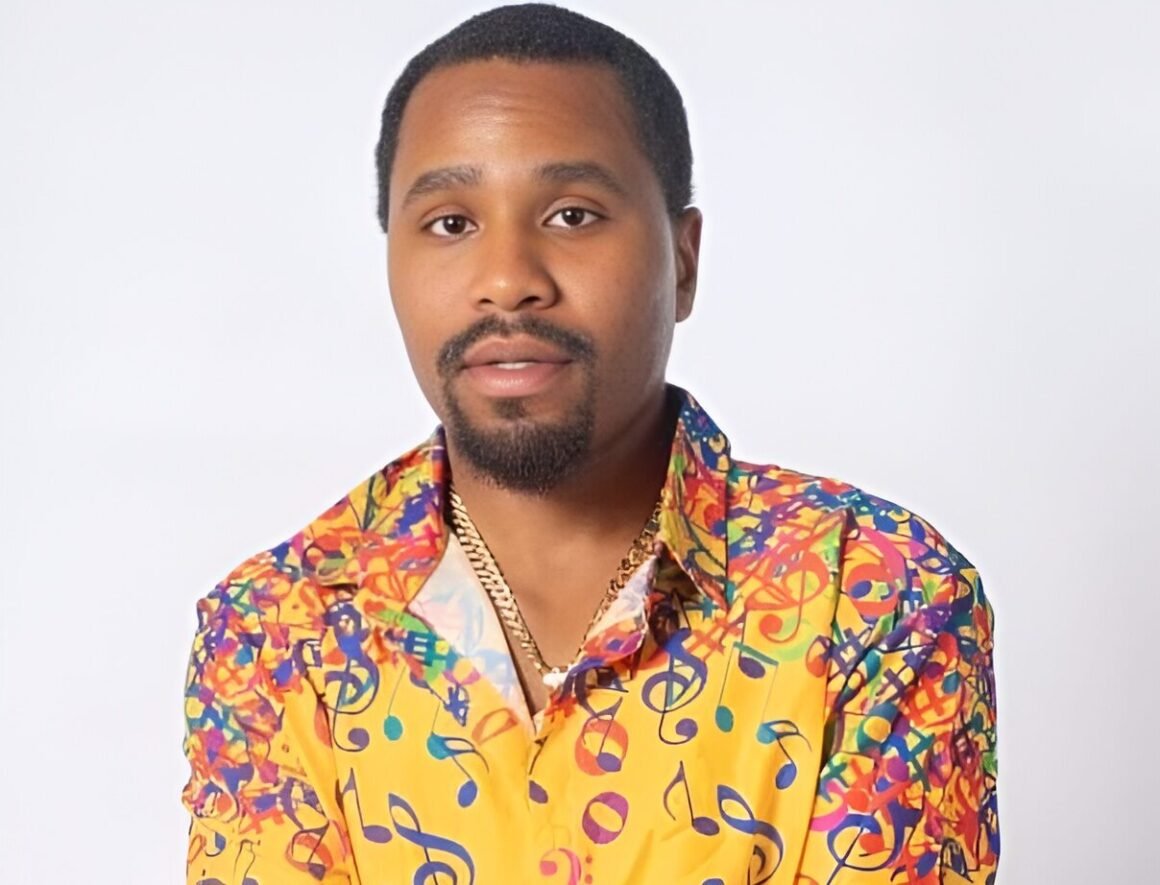
Malak’s rapping style works well with autotune, making a smooth sound that fits the music instead of overpowering it. The result is a sound that feels polished yet real, sure of itself without losing its spiritual side.
Besides music, Malak Shalom also sees himself as a businessman, putting time into the business side of things. He founded Golden Ticket Records LLC to back not only his own work but also a bigger plan. He thinks his music is a key part of God’s plan for him, a way to spark thinking, make people spiritually aware, cleanse bad energy, and warn people and wake them up.
Malak Shalom isn’t following the crowd. He’s making his own path. With The Undocumented Alienz, he shows himself as both an artist and a messenger, aiming to start a new kind of hip-hop that’s based in revelation, responsibility, and a drive to change things. In a genre that often feels lost, Malak Shalom believes that hip-hop doesn’t just need hits. It needs to heal.


